Revitalize Brain Health in 20 MinutesDeep TMS™Deep Transcranial Magnetic Stimulation

  • About Us

08/12/2025

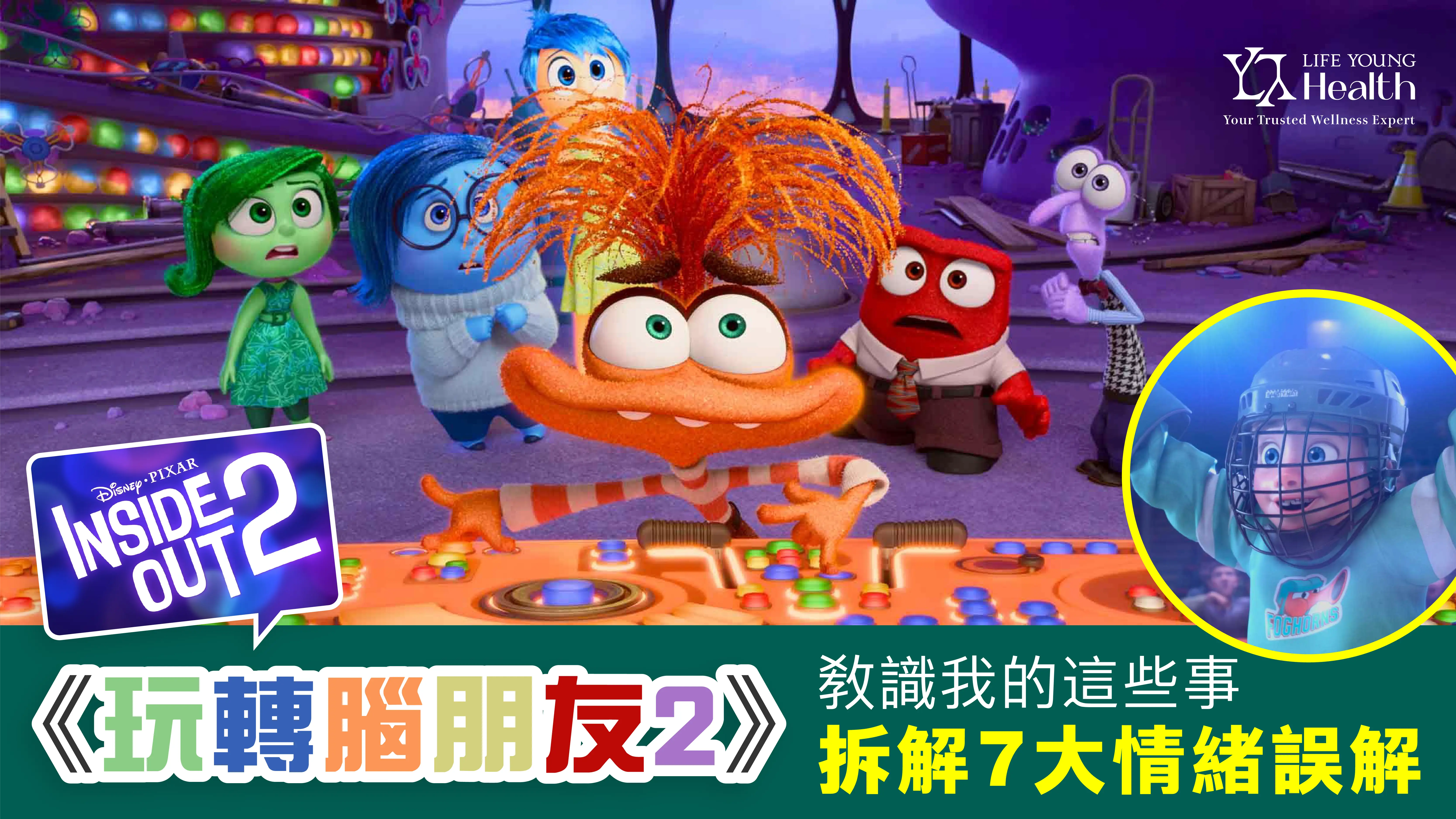
"Brain Friends 2" taught me these things, dismantling 7 major emotional misunderstandings | Inside out 2, in-depth plot analysis + easter eggs, introduction to the new emotion of anxiety

share to:

facebook whatsapp
events

Finally, Inside Out 2 has premiered in Hong Kong! In the sequel, Riley is now 13 years old, and the Headquarters of her mind has become more “personnel-complex.” Four new emotion characters join the story: Anxiety, Envy, Ennui, and Embarrassment, while also portraying the emotional chaos Riley experiences as she enters adolescence. The new character “Anxiety” immediately clashes with the previously dominant Joy, sparking exciting developments in the story. The biggest Easter egg of the film is its underlying message: stand up for your emotions! It unpacks common misunderstandings about emotions, encourages letting go of prejudices, and invites audiences to rediscover these new emotional friends. 


What Inside Out taught me: Debunking 7 common misconceptions about emotions


What Inside Out 2 Taught Me: Debunking 7 Myths About Emotions | Deep Dive, Easter Eggs & Meet Anxiety


  1. Anxiety isn’t necessarily “bad,” and Joy isn’t necessarily “good.” Emotions aren’t simply positive or negative.
  2. Having emotions doesn’t mean being childish or immature; it’s a normal part of being human.
  3. Constantly chasing happiness or forcing cheerfulness doesn’t solve problems.
  4. No emotion should be rejected or suppressed; otherwise, it will accumulate and eventually “explode.”
  5. Everyone has weaknesses and flaws. We need a variety of emotions to balance ourselves, grow, and solve problems.
  6. Learning to accept your imperfections is important—things don’t always go according to plan.
  7. Managing emotions doesn’t mean “having no emotions.” It means feeling your emotions and then restoring balance.


Anxiety is not a bad emotion


What Inside Out 2 Taught Me: Debunking 7 Myths About Emotions | Deep Dive, Easter Eggs & Meet Anxiety


"Modern people are filled with anxiety everywhere—"appearance anxiety," "academic anxiety," and so on. Even if one is not going through adolescence like Riley, everyone might wish to integrate a little more into the world, yet this can foster a competitive mindset, constantly pushing themselves. The scenario of Anxiety spiraling out of control might feel particularly intense for those who have experienced emotional disorders. Learning to embrace one’s imperfections, and seeing Riley reconcile all her emotions, can bring viewers a sense of relief and deep emotion." 

(Excerpt from: Yuyi【Film Review】《Inside Out 2》Embracing All Imperfections | Yue Hai)


As we age, a few new friends join the headquarters of the brain, including Anxiety. Anxiety is an innate and normal emotional response, and everyone experiences it from time to time. However, when symptoms of anxiety begin to affect daily life, we need to face these emotional issues squarely, because anxiety disorders differ from ordinary anxious feelings—they not only impact mental state but may also cause physical discomfort.


The role of anxiety can be both positive and negative. It can motivate us to become better, but if not handled carefully, it may also overwhelm us. When we understand that life cannot always go smoothly and also recognize the side effects of dwelling on negative thoughts, we can learn to accept and reconcile with ourselves and each other, releasing all kinds of emotions.


Suppressing emotions may feel better in the moment, but it actually leaves behind a ticking time bomb!


《What 'Inside Out 2' Taught Me: Debunking 7 Major Misconceptions About Emotions | Deep Plot Analysis + Easter Eggs & Introduction of the New Emotion, Anxiety


Every emotion has its meaning and reason for existence. Avoiding emotions only makes problems worse. Because suppressed emotions don't just disappear on their own; they may suddenly erupt at some point, catching you off guard. Suppressing emotions means they remain trapped within the body, which could even lead to physical health issues.


You must understand that avoiding something often makes you more susceptible to its control and influence, especially when it comes to emotions. This is why many people feel their emotions occasionally spiral out of control—it's usually the result of having avoided those feelings earlier on.


How exactly do you manage emotions?

Emotional management means facing emotions realistically and rationally—allowing yourself to experience all kinds of emotions while possessing the ability to regulate them, rather than being controlled by them. That is the essence of emotional management.


Expecting oneself to be happy all the time is as unrealistic as expecting never to feel hungry or thirsty. It is normal for everyone to experience emotions such as sadness, frustration, anxiety, and anger. Emotional management means being aware of it when you're in a bad mood, accepting that you're not feeling well—allowing the emotion to be released rather than suppressed or self-blamed—and then choosing to engage in healthy activities to gradually shift your mood and return to calm. Only by learning to help yourself restore a state of physical and mental balance can you avoid becoming deeply trapped in negative emotions.


Emotions are actually messengers.


What Inside Out 2 Taught Me: Debunking 7 Common Misconceptions About Emotions |


Since emotions are neither good nor bad, why not view them as messengers—deliverers of signals? For example, the emergence of anxiety may indicate that the heart has been wounded, seeking to convey these feelings to you, reminding you to prepare properly or to heal it gently.


If, in the moment, we fail to understand, accept, and heal, but instead view these emotions negatively and fall into self-blame, it not only fails to solve the problem but can also give rise to more emotions.


Of course, "accepting one's own emotions" is easier said than done. We can engage in simple practices to feel our emotions and decipher the messages they carry, transforming negative emotions. This makes it easier to coexist with them rather than avoiding or suppressing them.


5 Steps to Navigate Emotions in "The Age of Anxiety"


《What Inside Out 2 Taught Me: Debunking 7 Common Misconceptions About Emotions |In-Depth Story Analysis + Easter Eggs Introduction of the New Emotion: Anxiety /></p>
<p class=TV Coverage on Next-Generation Emotional Therapy | Special feature on Deep TMS™ Deep Transcranial Magnetic Stimulation (includes program content link)


 

line

Other Articles

line