Revitalize Brain Health in 20 MinutesDeep TMS™Deep Transcranial Magnetic Stimulation
English
Cardiovascular Test
Imaging Examination
Neurological Test
Genetic Test
Ultrasound Examination
Male Body Check
Female Body Check
Children Health Check
Domestic Health Check
Pre-employment Health Check
Heart
Liver
Gynecology
Digestive Health
Respiratory System
Cancer Index
Skin Allergies
Vaccines for Adults
Vaccines for Children
Daily Supplement
Slim & Glow
Stomach
Healthy Bites for Kids
Cardiovascular Test
Imaging Examination
Neurological Test
Genetic Test
Ultrasound Examination
Male Body Check
Female Body Check
Children Health Check
Domestic Health Check
Pre-employment Health Check
Heart
Liver
Gynecology
Digestive Health
Respiratory System
Cancer Index
Skin Allergies
Vaccines for Adults
Vaccines for Children
Daily Supplement
Slim & Glow
Stomach
Healthy Bites for Kids
Heart
Events & Seminars
Video
Health Article
Are you sure you want to logout?
09/12/2025
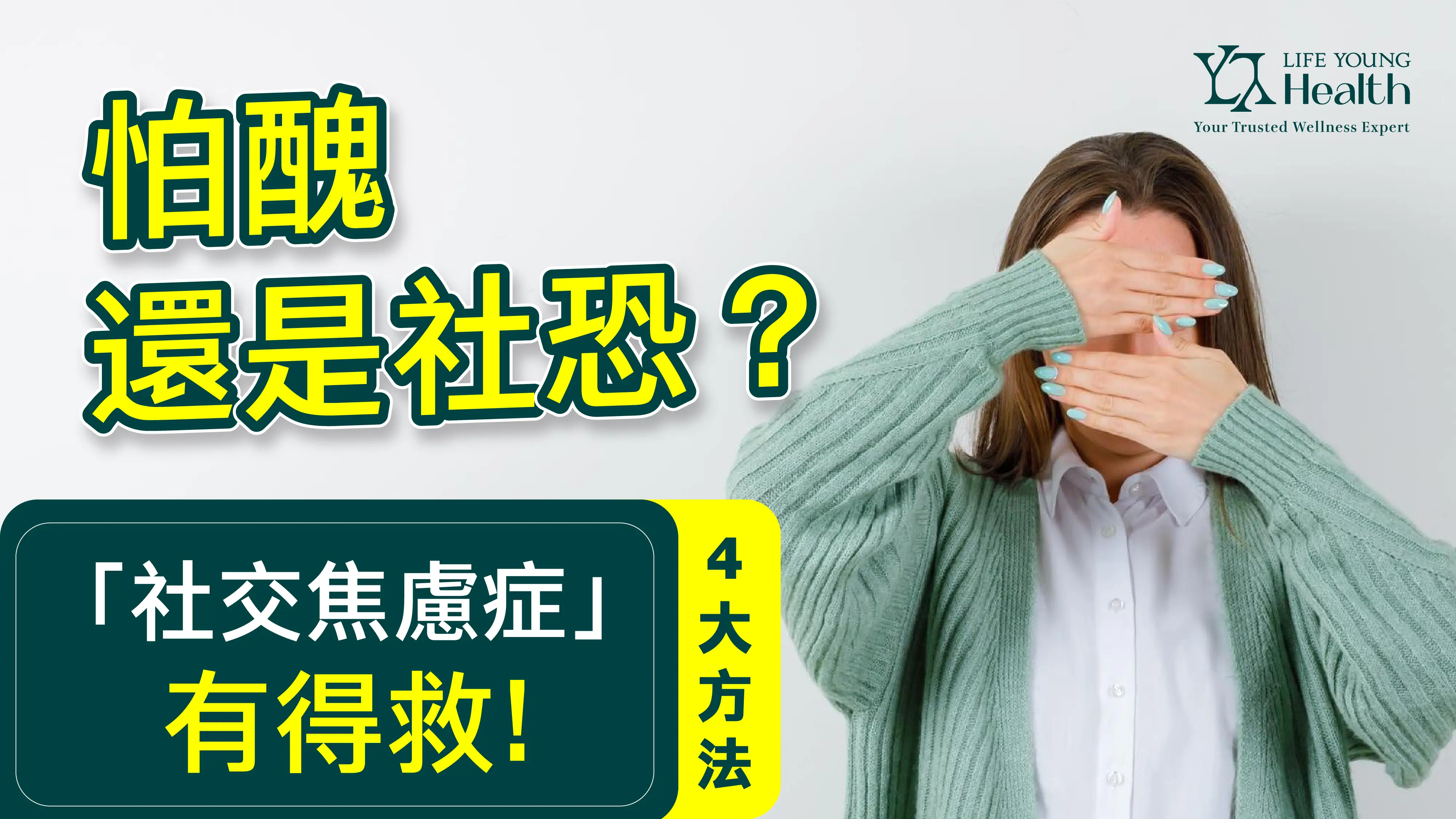
As children, we might have been afraid of taking minibuses alone, often worrying about having to loudly say “stop” when getting off. This could trigger many internal “what-if” scenarios: “What if the driver doesn’t hear me call to get off? What if I sing the words wrong and people laugh? What if the driver scolds me for calling too late—it would be so embarrassing.” Are these anxieties just common shyness, or could it be social anxiety disorder? Social anxiety disorder, also called social phobia, is a type of anxiety disorder. People with this condition experience noticeable and persistent anxiety or fear in one or more social situations, often accompanied by negative thoughts about themselves, others, and social interactions.
Many young people experience these feelings due to fear of embarrassment or discomfort in expressing themselves publicly. Shyness is a common and mild form of fear. Feeling slightly worried or hesitant around strangers, or preferring not to communicate with them, without physical symptoms or significant interference with daily life, does not qualify as social anxiety disorder. In fact, feeling nervous or anxious to a moderate degree isn’t necessarily negative—appropriate levels of anxiety can even enhance performance at work or school.

(Image Source: [email protected])
However, when feelings of nervousness and anxiety are continuously amplified and begin to affect decision-making and daily functioning, they can develop into a mental health issue. Social anxiety is one of the common forms of anxiety. Even Hong Kong movie star Tony Leung has been affected by social anxiety. He once shared in a video that he occasionally hides himself; despite being a top actor, he still feels nervous when meeting new people and can become flustered in large crowds.
If the level of anxiety intensifies, you may experience increased nervousness, restlessness, a faster heartbeat, or trembling. For example, when taking a minibus, you might prefer to miss your stop rather than call out “stop,” waiting for others to alert the driver first, or even avoid taking the minibus altogether. When this fear prevents you from enjoying life or doing everyday activities comfortably, it may indicate the presence of social anxiety disorder.
*Based on the *Diagnostic and Statistical Manual of Mental Disorders, Fifth Edition (DSM-5), USA

A 2015 survey found that about 3.2% of Hong Kong’s population—over 240,000 people—experience social anxiety issues. Reports indicate that medical experts note this condition often begins during teenage years, and if left untreated, can eventually develop into depression. According to Western statistics, 5 out of every 100 people experience some degree of social anxiety, with women being two to three times more likely to be affected.
⃞ Worry - Concerned about embarrassing oneself in front of others.
⃞ Fear - Afraid of being the center of attention; aware the fear is irrational but cannot overcome it.
⃞ Apprehension - Worried that others will notice your nervous reactions.
⃞ Dread - Feeling threatened or under scrutiny.
⃞ Unease - Overly sensitive and negative about others’ evaluations, misinterpreting them as criticism or rejection.
⃞ Self-blame - Holding negative self-evaluations and repeatedly reviewing your performance after social situations.
⃞ Embarrassment - Constantly imagining scenarios that could cause personal embarrassment or shame.
⃞ Stammering, dry mouth, blushing, sweating
⃞ Palpitations, rapid heartbeat, rapid breathing
⃞ Gastrointestinal discomfort, muscle tension
⃞ Trembling hands, shaking, voice trembling
⃞ Difficulty attending social gatherings; may deliberately arrive late or leave early
⃞ Hesitant to express opinions even when necessary
⃞ Avoids eating in public, hesitant to enter stores or restaurants
⃞ Reluctant to speak; voice is very soft
⃞ Worry about being observed or scrutinized
⃞ Avoids social activities, avoids eye contact
⃞ Wears high-neck clothing even in hot weather to hide blushing
⃞ May rely on alcohol to cope
So far, there is no definitive answer. However, studies have found that some patients with social anxiety disorder experience chemical imbalances in the brain, combined with environmental and psychological factors, which often lead to severe anxiety, withdrawal, and mood swings. Experts also suggest that social anxiety may result from individuals remaining in the normal shyness stage of childhood development (ages 3–7). Those particularly affected include:
1/ People who are especially strict about their behavior in public.
2/ Individuals who had stuttering issues during childhood.

If you experience the social anxiety symptoms mentioned above and they affect your studies or career, these symptoms may worsen over time. Delaying diagnosis and treatment could lead to other complications such as depression, substance abuse, and alcoholism, eventually developing into more serious mood disorders.
Social skills training can help you interact with others more easily and confidently. Additionally, Cognitive Behavioral Therapy (CBT) provided by psychologists or therapists can help patients manage emotional issues and change negative thoughts about themselves or others. For example, it can assist in reducing unhelpful rules, assumptions, or predictions about oneself, thereby improving physical discomfort and stress responses.
Antidepressant medications prescribed by a doctor can help treat anxiety and depression. During the first few weeks of use, side effects such as headaches and dizziness may occur. Generally, effects start to appear within six weeks, but it may take up to twelve weeks for the full effect to be achieved.
A non-invasive medical innovation—Deep Transcranial Magnetic Stimulation (TMS)—targets patients whose prefrontal cortex shows slowed metabolism, impairing its normal regulation of the brain’s emotional centers, which can lead to symptoms such as depression and anxiety. The TMS technique uses magnetic pulses to stimulate neurons in the prefrontal cortex, increasing blood flow and metabolism, thereby restoring normal regulation of the brain’s emotional areas and effectively improving mood. Its principle is similar to that used in Magnetic Resonance Imaging (MRI).
Hong Kong’s first clinic to introduce®️ Deep TMSTM, a next-generation technology using a patented H-coil. It offers three treatment modes tailored to individual emotional conditions, effectively improving various emotional symptoms and enhancing brain health.
・Insomnia ・Anxiety ・Depression ・Obsessive-Compulsive Disorder (OCD) ・Low Mood ・Nicotine Addiction
Naturally activates brain function Non-invasive No medication required No drug side effects
Each session takes only 20 minutes Professional medical consultation and healthcare team follow-up
|
Learn More |
WhatsApp Inquiry |
Reference Source:
自在社交- HKBU https://easeonline.hkbu.edu.hk/aboutdepression
香港健康情緒中心 https://www.hmdc.cuhk.edu.hk/emotional-illness-introduction/#illness_title
香港醫管局 https://www3.ha.org.hk/cph/imh/doc/information/psychiatrists/L8.pdf
1 Efficacy and safety of deep transcranial magnetic stimulation for major depression: a prospective multicenter randomized controlled trial. World Psychiatry Vol.14. 2015|2 Efficacy of Deep TMS with the H1 Coil for Anxious Depression. J. Clin. Med.2022,11,1015|3 《精神病學研究雜誌》(Journal Of Psychiatric Research) 指出,72.6%平均進行18.5次深度TMS療程後開始達到首次緩解。|*資料及數據由原廠提供
Other Articles
Life Young Health is a Health Power Hub promoting diligence in monitoring and preventive measures to avoid illness. The facility emphasizes the importance of timely inspection and treatment, as prevention is better than cure. Our mission is to create a family health management blueprint for the future.
Life Young Health
Life Young Health
Rm 08-09, 10/F, Mira Place Tower A, 132 Nathan Road, Tsim Sha Tsui, H.K.
Life Young Healthcare Limited © 2025 - All Rights Reserved